Why Some Homes Just Feel Better Than Others
You’ve probably experienced it before.
You walk into a home and something just feels… right.

It’s not always bigger. It’s not always more expensive. But it feels calm, balanced, and easy to be in.
And then there are homes that, on paper, tick all the boxes - yet somehow feel awkward, flat, or slightly uncomfortable.
So what’s the difference?
It’s not luck. And it’s not just styling.
It’s design.
It Starts With How a Home Flows
One of the biggest differences between a good home and a great one is how it moves.
A well-designed home guides you naturally from space to space.

There’s a sense of logic and ease - nothing feels forced or confusing.
You don’t walk straight into a living room from the front door.
You’re not cutting through awkward corners to get to the kitchen.
Spaces connect in a way that feels intuitive.
This is what we call flow - and it’s something you feel immediately, even if you can’t explain it.
Proportion Over Size
Bigger isn’t always better.
In fact, oversized rooms can feel just as uncomfortable as spaces that are too tight.
Homes that feel good tend to get the proportions right:
Ceiling heights that match the scale of the room
Balanced room dimensions (not too long, not too narrow)
Open spaces that still feel defined
It’s about creating spaces that feel human - not oversized for the sake of it.
Natural Light Changes Everything
Light has a huge impact on how a home feels.
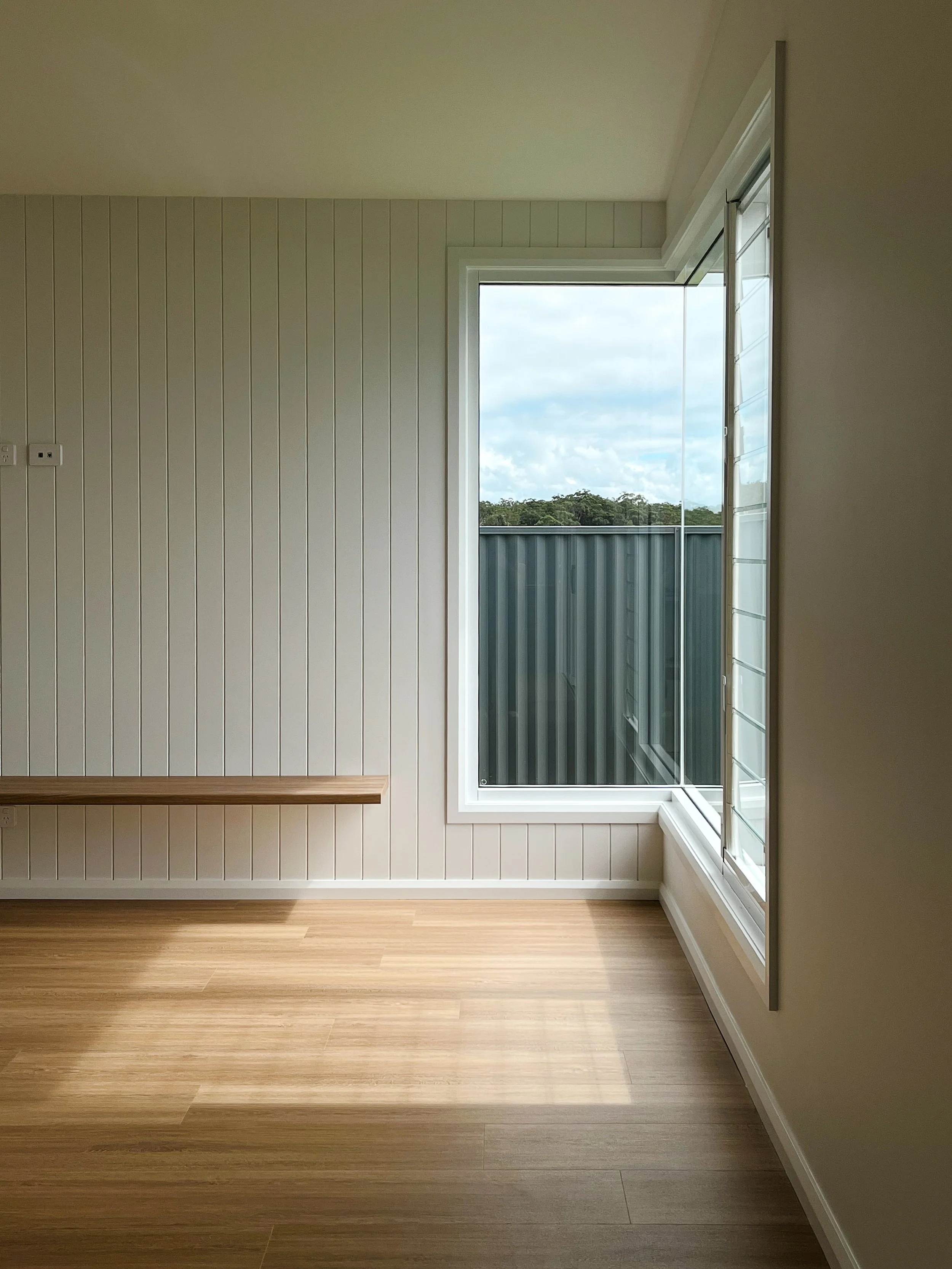
A well-designed home considers:
Orientation to the sun
Window placement (not just size)
How light moves through the home during the day
Natural light adds warmth, depth, and a sense of calm. Without it, even the most expensive finishes can fall flat.
The Power of Quiet Details
Often, it’s the things you don’t immediately notice that make the biggest difference.
Things like:
Alignment of windows and doors
Consistent material transitions
Thoughtful storage placement
Clean sight-lines through a space
These details create a sense of order. And when a home feels ordered, it feels calm.
Function That Matches Real Life
A home might look great in photos - but if it doesn’t work for the people living in it, it won’t feel good.
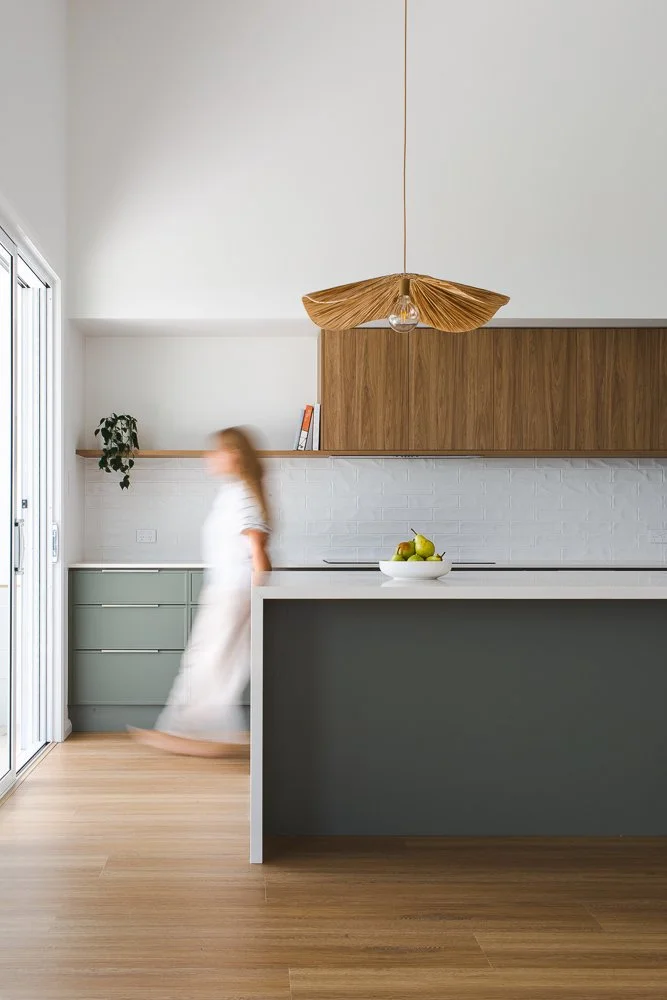
The best homes are designed around real life:
Kitchens that actually function for daily use
Living areas that suit how you relax and spend time
Storage where you need it - not where it’s convenient to design
When a home supports your lifestyle, everything feels easier.
Restraint Is What Creates Sophistication
It’s tempting to include everything - every feature, every finish, every idea.
But homes that feel the best are often the most considered.
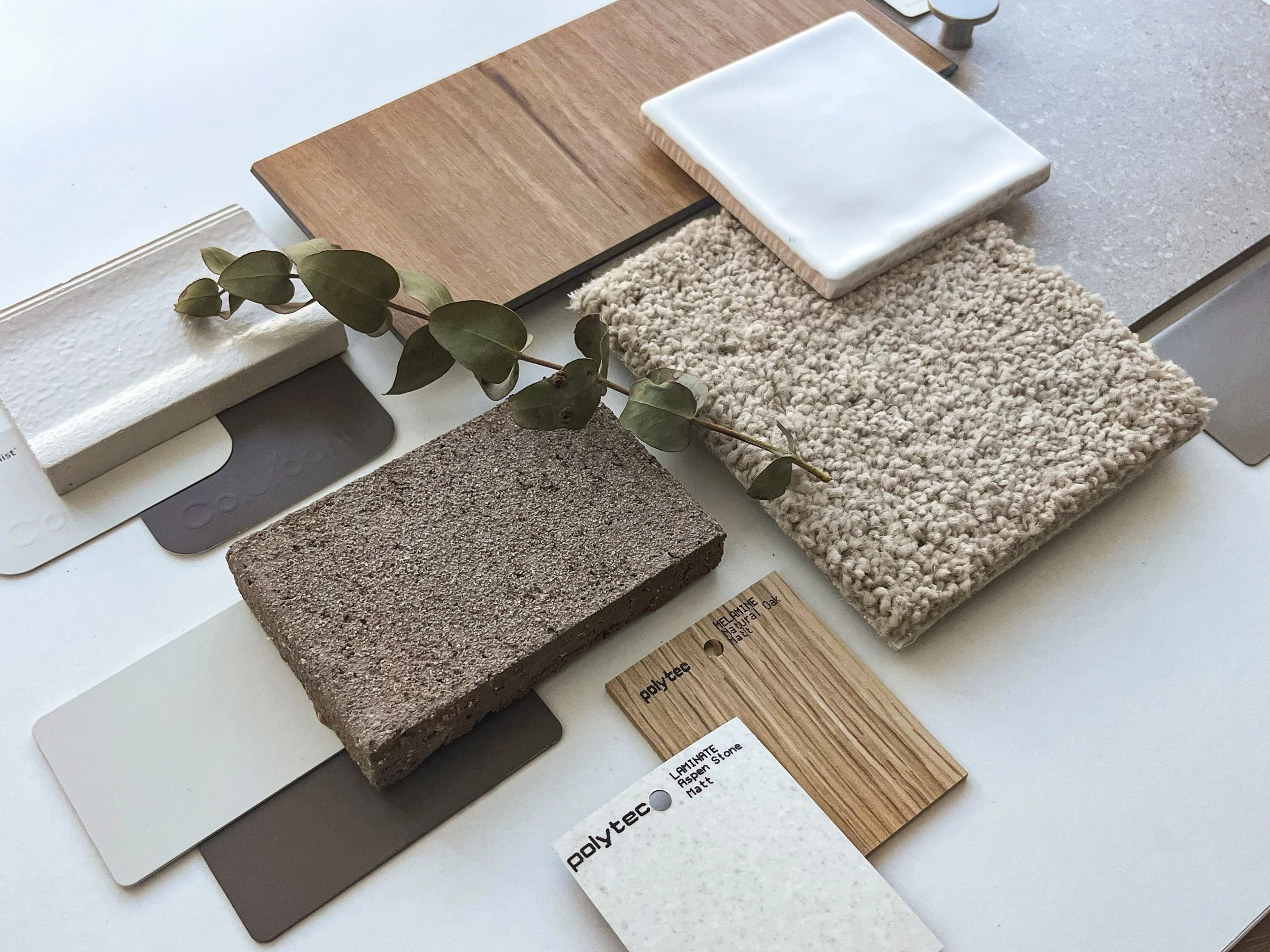
They know when to stop.
A restrained palette.
A consistent material selection.
A clear design direction.
This creates a sense of cohesion - and that’s what makes a home feel elevated rather than overwhelming.
It’s Not About Budget - It’s About Intent
One of the biggest misconceptions is that a home needs to be expensive to feel good.
In reality, we’ve seen modest homes feel incredible - and high-budget homes miss the mark entirely.
The difference is intent.
When every decision is made with purpose - how it looks, how it feels, how it functions - the result is a home that people connect with the moment they walk in.
The Bottom Line
A home that feels good isn’t defined by size, cost, or trends.
It’s the result of thoughtful design, careful planning, and an understanding of how people actually live.
Because at the end of the day, the best homes aren’t just built well.
They’re felt.